Searching for auto insurance in Massachusetts? You’re in the right place. Whether you’re a long-time resident or new to the Bay State, understanding the ins and outs of auto insurance here can feel like navigating the winding roads of Cape Cod. Fear not, because we’ve got the ultimate guide to help simplify your journey.
Diving into the specifics of Massachusetts auto insurance requirements, we’ll explore everything from the minimum coverage limits mandated by state law, to the factors affecting your insurance rates. With this comprehensive guide, you’re about to gain the competitive edge needed to secure the best deals and make informed decisions.






Overview of Auto Insurance Requirements in Massachusetts
Did you know driving uninsured in Massachusetts could leave you up to $5,000 poorer thanks to hefty fines? Don’t risk it. Here’s an overview of what you absolutely need to know about auto insurance requirements in the Bay State.
Massachusetts law mandates every driver to carry a minimum level of auto insurance coverage. Let’s break down what that means for you.
Minimum Coverage Limits Required by State Law
Every driver in Massachusetts must have at least $20,000 bodily injury coverage per person, up to $40,000 per accident. Plus, you’ve got to snag $5,000 in property damage coverage. Massachusetts isn’t messing around when it comes to personal injury protection (PIP) either. You’ll need at least $8,000 in PIP.
Going to skip insurance? You’ll face penalties that include fines up to $5,000, a year in jail, and a license suspension.
Additional Types of Coverage Available to Massachusetts Drivers
While the basics are essential, there’s more to consider. How about Collision coverage if you’re financing your car? Or maybe sneak in some Comprehensive coverage to safeguard against theft or a fallen tree branch.
Consider options like Underinsured Motorist coverage to stay protected from those who might not carry enough insurance themselves. Because, let’s face it, not everyone plays by the rules.
Penalties for Driving Without Insurance in Massachusetts
Here’s the deal: getting caught without insurance doesn’t just mean a slap on the wrist. Picture this – a $500 fine just for the first offense, a suspended license up to a year, and reinstatement fees.
Driving without insurance can haunt you with up to a one-year jail sentence and additional surcharges on your insurance premiums.
Mandatory and Optional Coverages Comparison
Let’s put it all together. Below is a quick glimpse at how compulsory coverages stack against optional ones.
| Type of Coverage | Mandatory | Optional |
|---|---|---|
| Bodily Injury per person | $20,000 | – |
| Bodily Injury per accident | $40,000 | – |
| Property Damage | $5,000 | – |
| Personal Injury Protection | $8,000 | – |
| Collision | – | Yes |
| Comprehensive | – | Yes |
| Underinsured Motorist | – | Yes |
Pro Tip: Bundling optional coverages can often save you some serious cash on your premium.
Factors Affecting Auto Insurance Rates in Massachusetts
Did you know that where you live in Massachusetts could cost you hundreds of dollars more each year in auto insurance? Yeah, it’s true. But that’s only one piece of the puzzle!
Insurance companies look at a multitude of factors before offering you a premium. If you feel like your rates are higher than they should be, don’t worry. You’re not alone, and there might be room to save!
Key Factors Insurers Consider
Auto insurers have a delicate dance of assessing risk versus reward. They look at your age, driving history, and even marital status. Here are some more detailed factors they consider:
- Your vehicle’s make and model
- Annual mileage driven
- Your driving experience (how long you’ve been driving)
- The primary use of your car (commute vs. leisure)
Pro Tip: If you’re driving a car that’s red-hot on the theft list or a luxury coupe, expect to pay more.
Geographical Influence on Premiums
The Bay State isn’t uniform when it comes to auto insurance costs. Where you park your car at night matters.
| Location | Average Premium ($USD) |
|---|---|
| Boston | 1,400 |
| Springfield | 1,250 |
| Cape Cod | 1,180 |
Living in urban areas, like Boston, you might find yourself on the higher end of these figures. BUT why does geography play such a massive role?
Driving History and Credit Score
Ever been caught in a speed trap or had a fender bender? Your driving history could haunt your insurance rates for years. That’s not all, I’ve got bad news if you have a low credit score.
Insurers infer financial responsibility from your credit score. It’s like a report card for adulting!
Pro Tip: Clean up your credit report, and you could see lower premiums. It’s like free money!
Discount Opportunities
Looking for discounts? They do exist! Look out for these factors that could slash your rate:
- Defensive driving courses – yep, they’re not just for new drivers.
- Good student discounts – rock those grades!
- Multi-policy discounts (consider bundling home and auto).
- Anti-theft devices installed in your car.
Here is the deal: Knowing what factors impact your insurance rate can help you strategize and potentially save big. It’s all about being proactive and well-informed.
How to Get a Quote for Auto Insurance

So, you’re ready to get that new car insured, but you’re not sure where to start with insurance quotes? You’re in the right place! Let’s break it down so you can snag the best deal possible.
Getting an auto insurance quote might seem daunting, but it doesn’t have to be. With the right approach and the right info, you can get accurate quotes in no time.
Gather Required Information First
The first step in getting an accurate quote is having all your info ready. You’ll need details like your driver’s license number, vehicle make and model, mileage, and previous insurance records. Plus, your zip code because where you live impacts your premium significantly.
Shop Around Like a Pro
Now it’s time to compare options. Don’t just stick with the first quote you get. Request quotes from at least three different insurers. You can even try an insurance broker for a wide array of quotes with less hassle.
Pro Tip: Use an online comparison tool to save time and get side-by-side comparisons effortlessly.
- StateFarm and Geico offer user-friendly online quoting tools.
- Local agents might provide special regional discounts.
Using Online Tools and Calculators
Want to get an instant estimate? Use an online calculator! Many insurance company websites have them, helping you see potential premiums in seconds. Remember, these are estimates and can vary when you provide more detailed information.
Using these tools gives you a baseline figure and helps you understand how different factors will increase or lower your rates.
- Enter your vehicle details.
- Add your personal information.
- Experiment with deductible levels to see premium changes.
Following these steps will help you get competitive and accurate auto insurance quotes. Ready to get started?
Understanding Auto Insurance Policies in Massachusetts
Did you know? When it comes to auto insurance, understanding your policy is essential for both savings and proper coverage. Many drivers simply overlook the details of their policy and miss out on potential benefits or savings opportunities.
This oversight could cost you big bucks in the long run. Let’s break down the components of a typical auto insurance policy in Massachusetts so you can make better decisions.
Components of an Insurance Policy
Your auto insurance policy is made up of several key components. These include coverage types such as liability, comprehensive, collision, and additional protections like personal injury protection or uninsured motorist coverage. Each component serves a different purpose and affects your premiums differently.
Within these components, you’ll also encounter terms like policy limits and deductibles. Policy limits refer to the maximum amount your insurer will pay, while deductibles are what you pay out-of-pocket before your insurance kicks in. Both of these can significantly impact your costs and coverage.
Sample Breakdown of a Typical Policy
Let’s visualize what a typical auto insurance policy might look like:
| Coverage Type | Policy Limit | Deductible |
|---|---|---|
| Liability | $50,000/$100,000 | N/A |
| Comprehensive | Actual Cash Value | $500 |
| Collision | Actual Cash Value | $1,000 |
The Process of Modifying Your Policy
Want to modify your current policy? Don’t sweat it. It’s easier than you think. Start by contacting your insurance agent or visiting your insurer’s website. You’ll want to know what specific changes you’re considering, like adjusting a deductible or adding coverage.
Here is the deal: each change can affect your premium. For instance, lowering your deductible will increase your premium but provides better coverage immediately in case of a claim.
Pro Tip: Regularly review your policy at renewal. Adjusting it to align with your current needs can lead to unexpected savings.
Claims Process for Auto Insurance in Massachusetts
Did you know that filing an auto insurance claim can make or break your financial recovery after an accident? It’s true. Whether you’ve just been in a fender-bender or a major collision, understanding the claims process is critical.
Here’s the deal: if you want to ensure you get every penny you’re entitled to, you need to follow a series of specific steps.
Steps to Take After an Accident
First things first, make sure everyone is safe. Call 911 if there are any injuries. Once safety is ensured, collect detailed evidence. Snap photos of everything—vehicle damage, road conditions, license plates, and even traffic signs.
After gathering evidence, contact your insurance provider to report the accident. Ask for a copy of the police report and keep all communication detailed.
Pro Tip: Always have a printed form of your insurance policy in your glove compartment for quick reference.
Organize Paperwork and Evidence
Organizing your paperwork can feel overwhelming, but it’s essential for a successful claim. You need to keep records of emails, a diary of phone calls, estimates from repair shops, and receipts for any expenses like towing.
List every document chronologically and use binders or digital folders. That way, you can easily provide any required documents promptly.
Claims Evaluation Process
Your insurance company will typically assign a claims adjuster to evaluate your case. This includes reviewing your documentation, assessing damage, and in some instances, conducting interviews with involved parties.
Timeframes can vary, but most claims are resolved within 15 to 30 days. So, make sure you respond promptly to any follow-up requests from the adjuster.
Common Reasons for Claim Denial
Claim denial can be frustrating BUT often comes down to these common reasons: incomplete documentation, late reporting, or discrepancies in your account of the accident.
To tackle this, appeal the decision with additional evidence and clarification. If you believe the denial was unjustified, consult with a legal professional specializing in insurance law.
“In claims, thoroughness equals success. Don’t skimp on the details.”
Tips for Reducing Auto Insurance Costs in Massachusetts
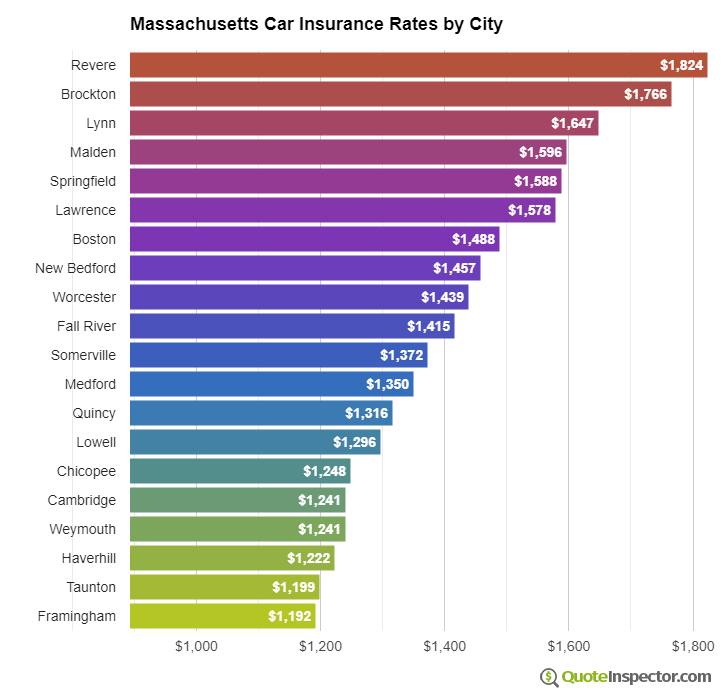
Did you know that the average cost of auto insurance in Massachusetts is around $1,100? That’s a hefty chunk of change. But you don’t have to settle for sky-high premiums.
Here are some surefire ways to slash those costs and save your hard-earned dollars.
Strategies for Lowering Insurance Premiums
Let’s dive into practical strategies that can reduce your insurance costs. First up: shop around for the best rates. You’d be amazed at how much premiums can vary between insurance companies.
- Compare quotes from at least three different providers.
- Ask about available discounts (e.g., Good Student, Military).
- Increase your deductible for lower monthly premiums.
BUT, don’t overlook the little things. Even small adjustments like updating your mileage can make a big difference.
Short-term vs. Long-term Savings
Short-term tactics can help cut costs ASAP. Lowering your coverage can reduce premiums now, but it might backfire if you need to file a claim.
Here’s the deal: for long-term savings, focus on maintaining a clean driving record. No traffic violations mean no rate hikes from penalties.
| Method | Short-term Impact | Long-term Impact |
|---|---|---|
| Increasing Deductible | Immediate Reduction | Potential Savings Over Time |
| Defensive Driving Course | Small Discount | Reduction in Rates |
Impact of Defensive Driving Courses
Thinking about taking a defensive driving course? It’s not just about safety—it saves money too. Most insurers offer discounts for completing these programs.
Pro Tip: Check if Massachusetts recognizes the course for point reduction; it can have a dual benefit on your insurance rates.
Bundling Insurance Policies
Consider bundling your auto insurance with other policies. Combined policies often lead to significant savings.
By consolidating under one provider, you can snag a discount ranging from 5% to 25%. Just make sure to review if you’re getting the best overall deal.
Final Thoughts
And there you have it! By understanding how much auto insurance in Massachusetts really costs and how it’s calculated, you’re empowered to make savvy insurance choices that give you peace of mind and protect your wallet. Remember, the road to affordable coverage isn’t just about cutting costs—it’s about achieving a perfect balance of protection and value. So, take these insights and drive confidently into the future!
Frequently Asked Questions
What are the minimum auto insurance requirements in Massachusetts?
Massachusetts law requires a minimum coverage of 20/40/5 for bodily injury and property damage, along with personal injury protection and uninsured motorist coverage.
How can geography affect my insurance premiums in Massachusetts?
Insurance premiums can vary greatly depending on where you live in Massachusetts. Urban areas like Boston may have higher rates due to increased risk of accidents and theft.
Does my driving history impact my insurance rate?
Yes, a clean driving history can lead to better insurance rates, while a history of accidents or violations can increase premiums.
Can taking a defensive driving course lower my insurance costs?
Absolutely, many insurers offer discounts for drivers who have completed a certified defensive driving course.
What should I do if my insurance claim is denied?
If your insurance claim is denied, review the denial letter for any disputes, provide additional documentation, and consider appealing the decision or consulting with an attorney.